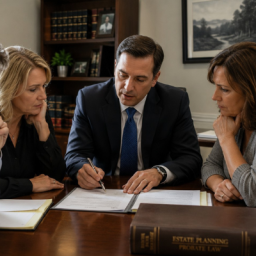
The death of a close one is both emotionally and legally challenging. Most families question whether they need to hire an estate lawyer. In some simple cases, you may manage without one, but complex estates, disputes, or unclear wills often require legal help. An estate lawyer can guide you through probate, resolve issues, and ensure legal compliance. This guide explains when a professional estate attorney is essential and how to find the right estate or probate attorney near you for peace of mind and a smoother resolution.
What Exactly Does an Estate Lawyer Do?
Think of an estate planning attorney (or estate planning lawyer) as your guide through the complex legal landscape that arises after a death. Their expertise covers a range of critical tasks:
- Interpreting and Executing Legal Documents: They review and assist in carrying out the deceased person’s will and any trust agreements, ensuring that the wishes documented in these legal documents are honored correctly.
- Navigating Probate: If the estate must go through probate, the probate lawyer manages this court-supervised process. This involves validating the legal will, identifying assets, paying debts and estate taxes, and ultimately distributing the remaining assets to the rightful beneficiaries.
- Managing Asset Transfer: They handle the legal transfer of property, whether it’s bank accounts, investments, or personal belongings, ensuring titles and deeds are properly changed according to the will, trust, or state law.
- Resolving Disputes: If disagreements arise among heirs or beneficiaries, an estate attorney near you can mediate or provide legal representation.
- Advising Executors: The person named as the executor of the estate faces significant responsibilities and potential liability. An estate planning lawyer provides crucial guidance and protection.
- Addressing Complexities: They handle situations involving minor beneficiaries, disabled heirs, out-of-state property, complex assets, significant debt, or unique family dynamics.
Essentially, they handle the intricate legal and administrative estate administration process, aiming to make it as smooth and efficient as possible during a difficult time.
When You Might Not Need a Probate Lawyer
While an estate planning attorney provides invaluable support, there are a few scenarios where the process might be simple enough to handle without one, if everything goes perfectly. Be aware, however, that unexpected snags are common:
1. The Estate is Very Small & Qualifies for Simplified Procedures
Most states have thresholds for “small estates.” Suppose the total value of the probate assets falls below this threshold. In that case, simplified (and often less expensive) court procedures may be available, potentially avoiding the need for a full probate process and a dedicated probate attorney. Crucially, you must confirm the specific rules of your state.
2. A Valid Trust Holds Most Assets
If the deceased had a well-drafted and fully funded living trust that holds virtually all significant assets, those assets typically bypass probate entirely. Transferring them to beneficiaries is typically handled by the named successor trustee, as outlined in the trust terms, potentially without requiring immediate assistance from a probate lawyer. However, ensuring the trust is properly funded is key – unfunded assets may still require probate.
3. Joint Ownership & Clear Beneficiaries Rule
If all major assets (like the house, bank accounts, investments, life insurance) were held in joint tenancy with rights of survivorship, or had clear, up-to-date beneficiary designations (like POD – Payable on Death, or TOD – Transfer on Death), these assets transfer directly to the co-owner or named beneficiary. No probate is needed for these specific assets. Important: Please check titles and forms carefully.
4. No Debts, Disputes, and Heirs Agree
If the estate has no significant debts or taxes owed, and all potential heirs are in complete agreement on all matters, the process may be straightforward. However, such occurences are rare, and the most mundane issue is capable of complicating your case.
When Hiring an Estate Lawyer is Highly Recommended (Often Essential)
In many situations, trying to navigate without an estate attorney near you is like sailing stormy seas without a compass. Here’s when professional legal help isn’t just advisable; it’s often critical:
- No Valid Will (Intestacy): Without a will, state law determines the heirs and division of assets, often resulting in delays, disputes, and the need for probate.
- Multiple Heirs or Family Disputes: Conflicts over inheritance terms, executors, or asset value are common; a lawyer helps mediate and prevent litigation.
- Complex or High-Value Assets: Businesses, portfolios, or collectibles require expert valuation and transfer planning to avoid legal or financial errors.
- Out-of-State Property: Property outside Washington requires separate probate in that state, which your estate attorney coordinates for a legal transfer.
- Estate Has Debt or Tax Issues: A lawyer ensures debts and taxes are resolved lawfully, minimizing liability and preserving more for the rightful heirs.
- Minor Beneficiaries or Disabled Heirs: Direct inheritance to minors or individuals with disabilities requires trusts or other legal structures to protect their financial future.
- Foreign Assets or Non-US Citizens: Cross-border ownership or inheritance involves tax treaties and international law, requiring specialized estate planning expertise.
- Multiple Marriages/Blended Families: Legal conflicts often arise among spouses and children; estate lawyers craft documents to reduce future disputes.
- Real Estate Is Involved (Especially Solely Owned): Non-jointly owned property must undergo probate for title transfer; attorneys ensure a lawful and timely conveyance.
How an Estate Planning Lawyer Provides Crucial Help
If your situation falls into the “need help” category, what exactly does an estate planning attorney bring to the table?
- Expert Guidance Through Probate: They demystify the probate process, handle all court filings and deadlines, and communicate with the court on your behalf. This is invaluable relief for a grieving executor of an estate.
- Seamless Asset Management & Transfer: They ensure property deeds are correctly transferred, financial accounts are accessed legally, and all assets are distributed as per the will, trust, or state law. They understand the nuances of beneficiary designations versus probate assets.
- Peace of Mind and Reduced Burden: Knowing a qualified professional is handling the complex legalities allows families to heal and support one another. You gain confidence that things are being done correctly.
- Protection for the Executor: Serving as an executor of an estate carries personal liability for any mistakes made during the process. An estate attorney near you provides the executor with the necessary legal advice and documentation to fulfill their duties correctly and avoid personal financial risk.
- Strategic Planning & Problem Solving: They provide guidance on resolving disputes, minimizing tax implications, establishing trusts for minors or beneficiaries with special needs (inheritance planning), and ensuring that estate administration aligns with the deceased’s wishes and legal requirements.
Finding the Right Estate Lawyer Near You
So, you’ve decided you need help. How do you find a qualified probate lawyer or estate planning attorney near me in the Kitsap and Mason County areas, whether you’re in Bainbridge Island, Belfair, Bremerton, Gig Harbor, Hansville, Kingston, Olalla, Port Gamble, Port Orchard, Poulsbo, Shelton, Silverdale, Suquamish, or nearby areas?!
1. Look for Specific Expertise
Seek out lawyers or firms that specialize in estate planning, probate, and estate administration. This is their daily bread and butter. Ask if they have experience with cases similar to yours (e.g., complex assets, family disputes).
2. Local Knowledge Matters
Laws and court procedures can vary. A Washington probate lawyer familiar with the courts in Kitsap County (where Bremerton, Silverdale, Poulsbo, and other areas are located) and Mason County (including Shelton) is advantageous. Local firms, such as Lindsay & Lindsay Attorneys at Law, understand the specific landscape of our communities.
3. Ask the Right Questions
During a consultation (which most offer), ask about:
- Their experience with estates like yours.
- Their approach to communication and keeping one informed.
- Who will handle your case day-to-day?
- An estimate of the process timeline.
- How they structure their fees (although they avoid specific cost discussions, as per the brief).
4. Check Credentials & Comfort Level
Ensure they are licensed in good standing. Most importantly, select someone you feel comfortable talking to openly and who explains things clearly. You need a trusted advisor during this sensitive time.
Final Thoughts: Making an Informed Decision
Deciding whether to hire an estate lawyer after a loved one’s death depends on the estate’s complexity. Simple cases may be handled alone, but situations involving no will, real estate, debts, or family disputes often require legal help. A probate or estate attorney ensures the proper transfer of assets, protects executors, and prevents costly mistakes. For peace of mind during a difficult time, professional guidance—like that offered by Lindsay & Lindsay Attorneys at Law—can ease the burden and safeguard your family’s future.