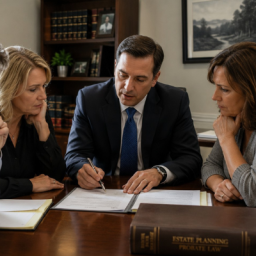
Nobody expects to end up in a guardianship case. One day, life is moving along normally, and then a parent’s diagnosis, a sibling’s accident, or a sudden change in a child’s circumstances shifts everything. Suddenly, the legal system becomes your next challenge, and most families walk into it with very little idea of what actually lies ahead.
Good intentions only carry you so far. Without proper legal support in place, families routinely run into the same problems, leading to rejected petitions, prolonged court proceedings, and, most frustratingly, delays in getting a loved one the protection they genuinely need.
This article covers seven of the most common mistakes families make without a guardianship attorney and what you can do to avoid them.
What Is a Guardianship Attorney?
A Guardianship Attorney is a licensed legal professional who helps families obtain court-approved authority to make decisions for a loved one who can no longer do so on their own. That authority can cover healthcare, finances, education, or day-to-day living, depending on the circumstances.
Cases vary considerably. A child guardianship lawyer works with families caring for minors who need legal protection. An adult guardianship attorney handles situations involving aging parents or an incapacitated spouse. A probate guardianship lawyer steps in when the matter overlaps with an estate, and an emergency guardianship attorney can move quickly when the situation cannot wait.
Why Legal Guidance Matters in Guardianship Cases
The numbers behind this issue are worth pausing on. The U.S. Census Bureau reports that more than 16% of Americans are aged 65 or older, a figure that continues to grow.
The Administration for Community Living separately notes that millions of older adults live with cognitive conditions that affect their ability to make independent decisions.
Behind each of those numbers is a family trying to do the right thing. Structured legal guardianship help is often what determines whether that effort succeeds or stalls.
Benefits of Hiring a Guardianship Attorney
- Full compliance with all guardianship legal requirements from day one
- Fewer delays in the guardianship court process
- Paperwork that holds up under court scrutiny
- A measured hand in difficult family conversations
- Continued guidance with legal guardian responsibilities after the court approves the arrangement
1. Waiting Too Long to Start the Process
There is always a reason to wait. Maybe things will improve. Maybe the conversation can happen next month. But in guardianship cases, delayed action has real consequences.
Standard filing timelines compress when a situation becomes urgent. Emergency petitions cost more, take longer to prepare, and put the individual in need of protection in a vulnerable position while the process plays out. Starting early, even as a precautionary step, protects everyone and keeps options open.
Quick Tip: If guardianship for an elderly parent or guardianship for an incapacitated adult is anywhere on your horizon, schedule a consultation now. The information alone is worth the conversation.
2. Filing Incorrect or Incomplete Paperwork
The guardianship petition attorney process involves detailed documentation, and courts have little tolerance for errors. According to the U.S. Courts system, incomplete filings are consistently among the leading causes of procedural delays in family legal matters.
| Documentation Gap | What It Costs You |
| Missing physician assessment | Petition denied at first review |
| Outdated or incorrect court forms | Delayed case review, repeat filing |
| Incomplete financial disclosures | Mandatory additional hearings |
| Improper filing procedures | Case dismissed or reset entirely |
Every row in that table represents weeks of additional waiting. An attorney reviews every detail before anything is submitted.
3. Not Understanding the Different Types of Guardianship
Here is something that genuinely surprises most families: guardianship is not a single legal category. You cannot simply file for “guardianship” and leave the details to sort themselves out. The type you pursue determines the scope of your authority, and choosing the wrong one means returning to court to correct it, costing time and money you did not plan to spend.
A temporary guardianship lawyer handles situations where decisions need to be made quickly and for a defined period. A limited guardianship attorney works within a specific lane of authority, such as healthcare decisions or financial matters. Full guardianship covers everything. And then there is the distinction between conservatorship and guardianship, which trips up even well-prepared families, since these are separate legal arrangements with different requirements depending on your state.
| Type | What It Covers | How Long It Lasts |
| Temporary | Urgent, time-sensitive decisions | Short, defined period |
| Limited | Specific areas of authority only | Ongoing within set boundaries |
| Full | All personal and financial decisions | Long-term |
Choosing the wrong arrangement does not just cause paperwork problems. It can leave real gaps in your authority exactly when your loved one needs you most.
4. Ignoring Family Disputes Until They Escalate
Guardianship decisions have a way of surfacing long-standing family tensions. The moment a formal process begins, disagreements about who should serve as guardian or how decisions should be made tend to surface.
A contested family dispute guardianship case extends court proceedings, significantly increases legal costs, and delays critical care for the person who needs protection most. Addressing disagreements early, with legal guidance keeping the focus on the individual’s best interests, prevents a family conflict from becoming a legal obstacle.
5. Failing to Gather Sufficient Medical Evidence
Think about it from the court’s perspective. Anyone can walk in and claim that a family member can no longer make their own decisions. Courts need proof, and the bar is higher than most families expect going in.
A brief note from a doctor does not cut it. Courts typically require a formal written assessment, a cognitive or psychological evaluation, documented evidence of daily limitations, and a relevant medical history that supports the petition. Missing even one of these can send the entire case back to square one.
Medical Evidence Checklist:
- Written physician assessment of the individual’s condition
- Cognitive or psychological evaluation from a qualified professional
- Documentation of daily limitations and care requirements
- Relevant medical history that supports the guardianship petition
The families who struggle most with this step are the ones who assumed their doctor’s existing records would be sufficient. In most cases, they are not.
6. Choosing the Wrong Guardian
Courts do not simply rubber-stamp a family’s choice of guardian. They evaluate whether the proposed individual can consistently fulfill legal guardian responsibilities over time. The most available person is not always the right fit.
Think through the full picture: the relationship with your loved one, financial and healthcare management skills, availability, and whether any conflicts of interest exist. A thoughtful selection made now prevents complications that can take years to untangle.
7. Forgetting Ongoing Legal Responsibilities
Approval feels like the finish line. It is not. Once a court grants guardianship, a new set of obligations begins, and courts do check on them.
Depending on the arrangement, you may need to file periodic status reports, maintain transparent records of all financial decisions, and document every significant choice made on your loved one’s behalf. Acting outside the scope of the authority granted, even with the best intentions, can trigger a formal review or lead to the guardianship being revisited by the court.
- Periodic status reports are filed with the court on schedule
- Transparent, documented management of finances throughout
- All decisions kept strictly within the scope of granted authority
- Accurate records are maintained for the full duration of guardianship
Quick Tip: Think of guardianship less as a one-time legal event and more as an ongoing relationship with the court. Continued legal support makes that relationship far more manageable.
When to Contact a Guardianship Attorney
Knowing when to hire a guardianship attorney can shape the outcome of everything that follows. If a loved one’s decision-making capacity is visibly declining, if family members are not aligned, or if an urgent situation has already developed, the window for a smooth process is narrowing.
Searching for a guardianship attorney near me is often how these conversations start, and that first consultation tends to clarify far more than families expect.
How to Choose the Right Guardianship Attorney
Look for direct experience in adult guardianship attorney and family guardianship lawyer cases, a solid working knowledge of your local court procedures, and a communication style that keeps you informed throughout the process.
A few questions worth raising during that first meeting
- What challenges are specific to my type of case?
- How do you approach situations where family members disagree?
- What is a realistic timeline from filing to approval?
- What ongoing obligations come with the type of guardianship we need?
Every Family Deserves a Clear Path Forward
The seven mistakes covered here share one thing in common: they are all avoidable. With the right legal support in place from the beginning, families navigate this process with far less friction and far better outcomes for the people who matter most.
Lindsay and Lindsay Attorneys at Law have been guiding families through guardianship and family law matters across Kitsap County and the greater Puget Sound region for decades.
Our practice is built on careful, personalized attention to each case and a genuine commitment to the people we represent. When you are ready to take the next step, reach out to our guardianship attorneys near me at (360) 876-7601 to schedule your consultation today.